
8:00 – 8:30 Networking
8:30 – 9:00 Introductions/Announcemments
9:00 – 11:00 Virtual Presentation:
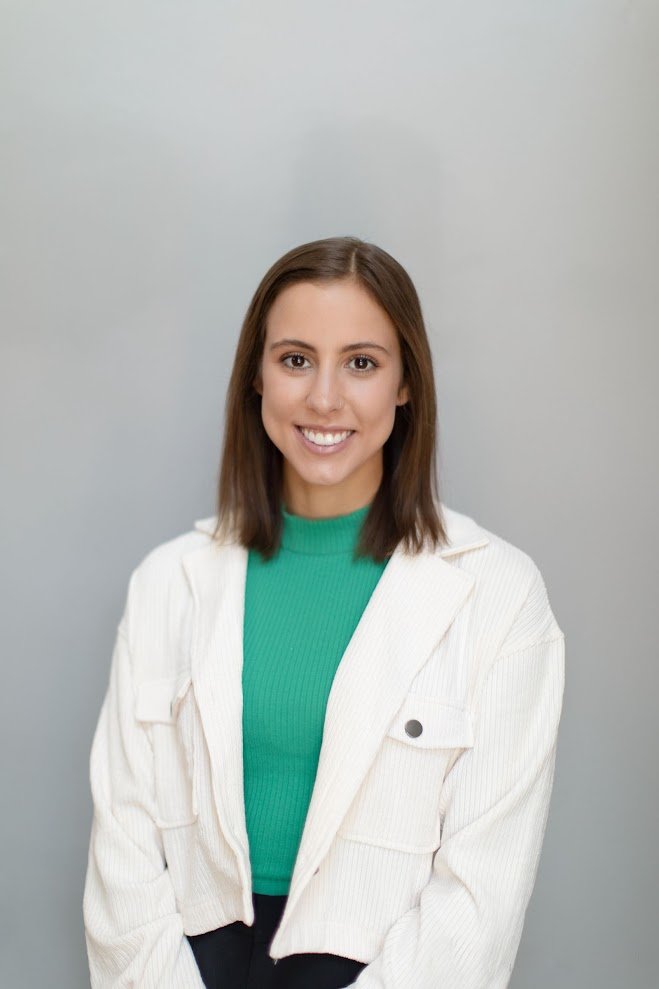
Blair Nicol, LCSW Program Manager
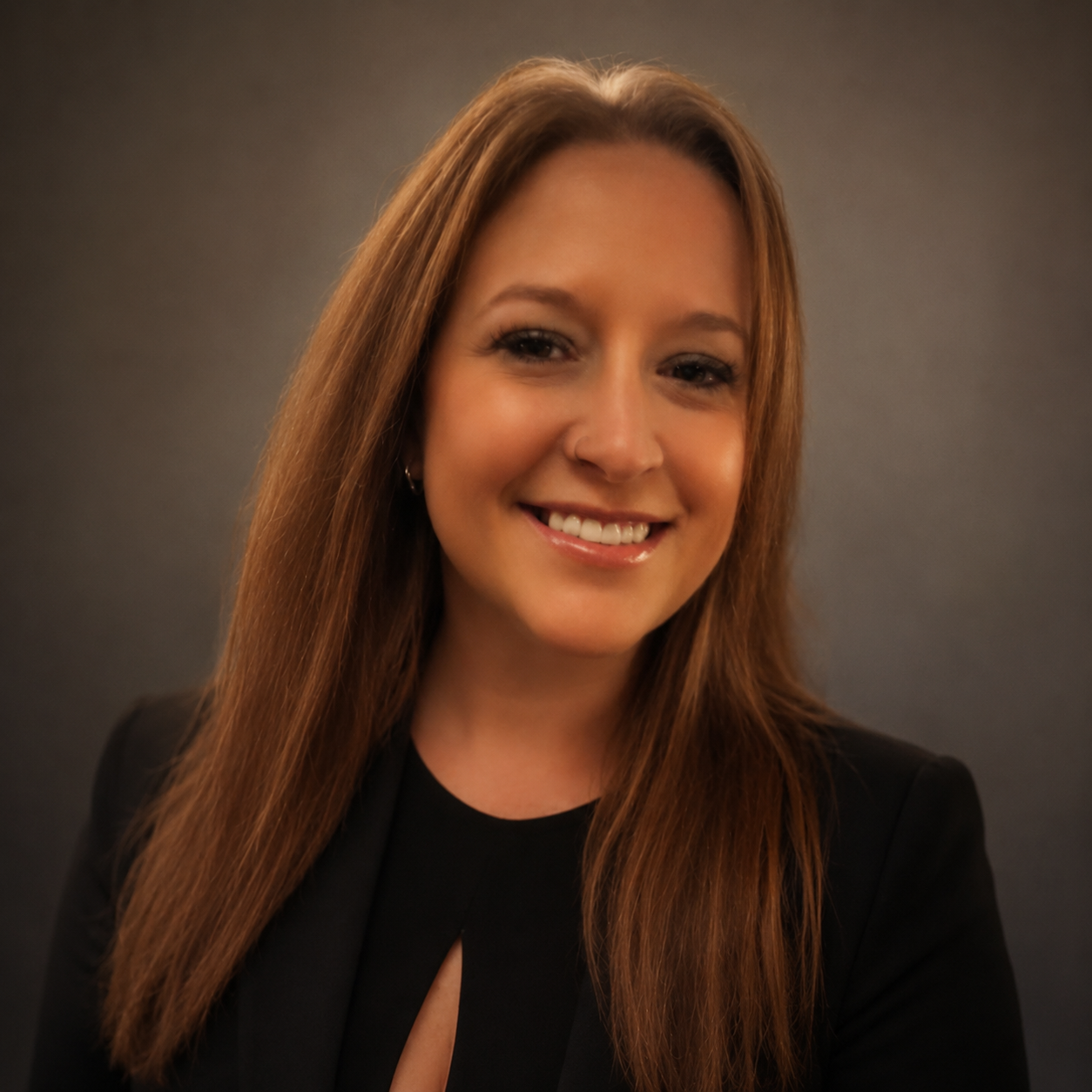
Florenda Baldwin, LSUDC Family Program Manager
Link to Zoom Meeting: https://us02web.zoom.us/j/162331194
Format: Virtual
Content:
In a world overwhelmed by constant distractions and digital overload, the return to our most valuable asset, our brain, is becoming a key factor in balancing one’s life and wellbeing. By developing our sense of awareness through our bodies, we can reconnect with our internal GPS system through simple mind/body exercises like breathing, body tapping and Tai Chi to recharge and reactivate our internal energy source. Addiction and mental health challenges do not occur in isolation, they ripple through every member of a family system. Yet families are often left on the sidelines of treatment, uncertain how to help, exhausted by patterns they didn't choose, and carrying their own unaddressed pain. This presentation is an educational presentation designed for individuals seeking a deeper understanding of how families both shape and are shaped by the recovery process. Drawing from family systems theory, attachment research, and evidence-based clinical approaches, this presentation offers a comprehensive framework for understanding the family's role in addiction and mental health recovery. Participants will explore core concepts of family systems theory and how addiction disrupts family homeostasis, roles, and communication patterns. We will examine codependency and enabling behaviors, not as character flaws, but as learned survival responses rooted in early attachment experiences. Attendees will leave with a clear framework for distinguishing enabling from genuine support, understanding healthy boundary-setting, and connecting families with appropriate resources. This presentation also highlights the value of structured family education programs as a complement to individual treatment. When families receive education, tools, and support alongside their loved one, outcomes improve significantly, relapse rates decrease, relationships stabilize, and long-term recovery becomes more sustainable.
Learning Objectives:
1. Be able to identify key family systems concepts - including roles, homeostasis, and codependency - and explain how these dynamics influence the trajectory of a loved one's addiction and recovery.
2. Distinguish between enabling and helping behaviors, and apply a practical framework for setting healthy boundaries that support recovery without shielding individuals from natural consequences.
3. Identify evidence-based resources and family support models, including Al-Anon, SMART Recovery, and structured family education programs - to effectively connect families with appropriate tools and services.
2 PDH’s - Domain TBD
Presenter:
Blair Nicol, LCSW Program Manager
Blair Nicol is a Licensed Clinical Social Worker with experience across behavioral health programs, residential treatment, and community-based settings. As Program Manager, Blair oversees the development and implementation of programming and curriculum, ensuring clinical depth, coherence, and alignment with Recovery Ways’ values.
Her work draws on somatic, relational, and intuitive approaches, integrating nervous system awareness, embodied practices, and connection-focused interventions into program design. Blair brings a thoughtful, grounded leadership style to her role, supporting both clinical excellence and innovative, experiential programming that meets clients where they are and supports sustainable healing and recovery.
Florenda Baldwin, LSUDC Family Program Manager
Florenda Baldwin is a licensed substance use disorder counselor and Family Program Manager at Recovery Ways, a residential treatment facility in Murray, Utah. With hands-on experience across multiple levels of care — including residential, PHP, and IOP — she brings a comprehensive, whole-person perspective to addiction treatment and recovery.
Florenda specializes in family-centered care, overseeing Recovery Ways' Family Circle weekend program, which is designed to bridge the gap between clients in treatment and the loved ones who support their recovery journey. She facilitates DBT skills groups and family programming that emphasize evidence-based approaches to communication, emotional regulation, and rebuilding relationships impacted by substance use.
In addition to her direct clinical work, Florenda supervises SUDC interns, mentoring the next generation of substance use disorder counselors with a focus on ethical, client-centered practice. Florenda's passion for family involvement in treatment is rooted in her belief that lasting recovery is built not in isolation, but in community — and that healing one person has the power to heal an entire family system.
CONTACT:
Recovery Ways
4848 Commerce Dr, Murray, UT 84107
bnicol@recoveryways.com
www.recoveryways.com
lnstagram: @recoverywaysutah
Facebook: facebook.com/RecoveryWays